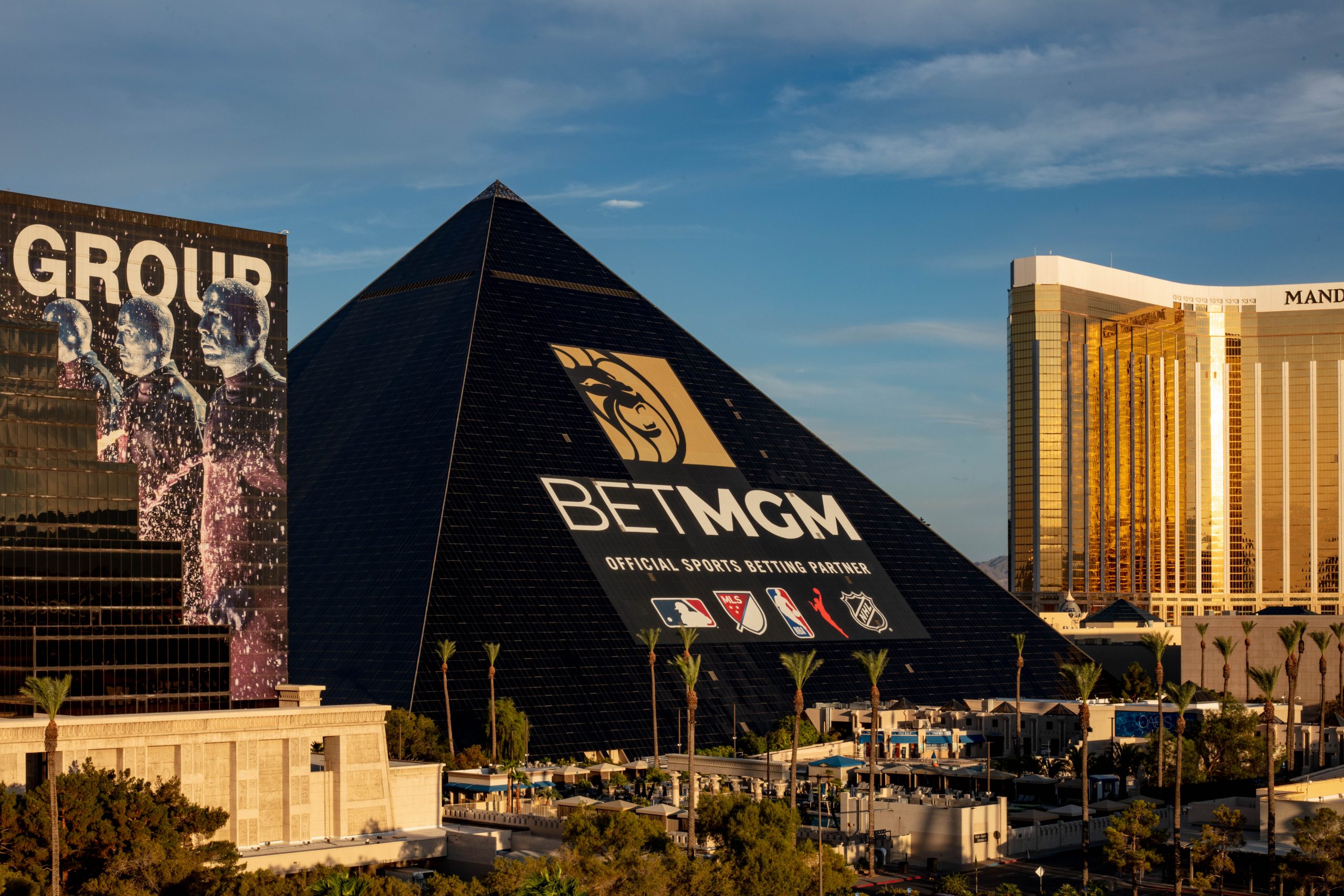
Sports betting feels simple on the surface—pick a team, place a wager, cheer for a result. But the best outcomes come from understanding the basics: odds, market types, bankroll control, and timing. This long-form guide walks you through how a modern sportsbook experience is structured, what to look for before you place your first wager, and how to make every bet more intentional.
If you’re new, your goal shouldn’t be “win every time.” Your goal should be to build a repeatable process: learn how lines move, recognize value, and avoid emotional decisions. If you’re experienced, the goal becomes efficiency—finding the right market, the right price, and the right stake size without friction.
What a modern sportsbook experience looks like
Today’s sports betting platforms are designed around speed and clarity: quick access to leagues, clear bet slips, live markets that update in real time, and tools that help you stay in control. The experience is built for multiple play styles—pre-game research, live/reactive betting, parlays, and season-long futures.
A high-quality sportsbook usually shares a few common traits: (1) broad market coverage across major and niche competitions, (2) stable pricing and transparent odds display, (3) fast navigation from league → event → market, and (4) responsible gaming controls that help you set limits and take breaks.
First bet offer: what it is and how to use it intelligently
A first bet offer is designed to reduce the “first-step fear.” The idea is simple: you place your first wager and, if it doesn’t win, you may receive bonus bets up to a stated cap. Bonus bets are promotional credits used to place additional wagers; typically, they are non-withdrawable and may expire within a limited time window.
Pro note
Think of the first bet offer as “reduced downside,” not “free money.” Choose a wager you understand, keep your stake within your bankroll plan, and treat bonus bets as a second chance to execute the same disciplined approach.
Understanding odds without the confusion
Odds tell you two things: how likely the outcome is (implied probability) and what you’ll get back if you win. In American odds: negative numbers (e.g., -150) indicate a favorite, and positive numbers (e.g., +170) indicate an underdog.
Implied probability (quick intuition)
Lower odds usually mean higher probability. The more negative the number, the more you must risk to win $100. The higher the plus number, the more you win per $100 risked.
The goal: price vs. prediction
You don’t need to predict every winner—only spot when the price is better than the true chance. That difference is where long-term edge can exist.
Core market types every bettor should know
Most sports betting menus revolve around a handful of market families. Once you understand these, you’ll be able to read almost any event page with confidence.
Moneyline
A bet on who wins the game (or match). Simple and popular across most sports.
Spread / Handicap
The favorite must win by more than a set number; the underdog can lose by less than that number (or win). Spreads help balance matchups and often create tighter pricing.
Totals (Over/Under)
A bet on the combined score (or another measurable stat). You’re betting the game environment, not a team.
Player props & team props
Markets focused on individual or team stats: points, rebounds, touchdowns, shots on goal, and more. Props can be a smart way to bet when you have a strong read on roles and matchups.
Futures
Long-term bets like “win the league” or “make the playoffs.” Great for season narratives, but your stake is tied up for longer.
Parlays
Combine multiple legs into one wager for higher payout. Higher reward, but also higher risk— one loss settles the whole parlay as a loss. Use intentionally.
Live betting: speed, timing, and discipline
Live betting can be exciting because the game state changes every minute—momentum swings, injuries, foul trouble, weather, pace, and coaching decisions. That same speed can also lead to impulsive bets. The key is to decide before the game what you’re watching for.
A practical live process looks like this: identify a single angle (pace, matchups, fatigue, substitutions), wait for a better number, and place one or two targeted bets rather than “chasing” every swing.
Live tip: don’t bet the noise
Crowd moments and short runs can mislead. Focus on structural signals: shot quality, possession advantage, penalties, injury impact, or tactical shifts.
Live tip: set a stop rule
Decide a maximum number of live bets per game (for example, 1–3). This protects you from “tilt” and keeps decisions intentional.
Bankroll: the difference between fun and frustration
Bankroll management is the simplest concept most people ignore. Your bankroll is the amount you can afford to spend on entertainment without stress. A basic approach is to bet a small, consistent fraction per wager (many bettors use 1–2% as a reference point).
Consistency matters more than confidence. Even strong edges experience losing streaks. A stable stake size keeps you alive long enough for your process to work.
How to read a bet slip like a pro
The bet slip is where small mistakes happen: wrong market, wrong side, wrong odds format, or stacking too many legs. Before confirming a wager, do a quick checklist:
-
Verify the event and market (moneyline vs spread vs total).
-
Confirm the odds and stake amount are exactly what you intended.
-
If using a token/bonus bet, ensure it’s applied before placing the wager.
-
For parlays, re-check every leg and understand “one loss = parlay loss.”
Practical strategy: build your first week plan
If you want the shortest path to a stable routine, use a simple one-week plan: choose one sport you enjoy, track a handful of teams/players, and place only a few bets. This reduces randomness and helps you learn faster.
A beginner-friendly weekly structure
- Pick one league (NBA, NFL, NHL, soccer, etc.) and follow it closely for 7 days.
- Before each bet, write down your “why” in one sentence (pace, matchup, injury, schedule spot).
- Limit yourself to 3–6 total wagers for the week.
- Stake the same amount each time.
- Review results and your reasoning—focus on decision quality, not just wins.
Responsible gambling: keep it healthy
Betting should remain entertainment. If you feel pressure to win back losses, if it impacts your mood, sleep, relationships, or finances, it’s time to pause and get support. Good sportsbooks provide tools like deposit limits, time-outs, and self-exclusion. Use them early—not only when things feel out of control.
Quick self-check
If you’re betting to escape stress, chasing losses, hiding activity, or spending beyond your plan, step away and seek help. Responsible play is a sign of strength.
Ready to get started?
If you’ve read this far, you already have an advantage: you’re treating betting as a skill, not a shortcut. Start small, stay consistent, and keep your decisions calm.